Specialised Ozone Solutions
Resources2025-05-31T10:55:00+00:00

Resources

You can check out our growing collection of articles and guides below to learn about the essentials of ozone technology and how it can work for you.

FAQs – What is Ozone?

Nature’s Most Powerful Cleanser, Engineered for Hygiene and Safety

Ozone (O₃) is a naturally occurring gas made up of three oxygen atoms. It forms in the atmosphere when oxygen interacts with electricity or UV light—just like during a lightning storm. Known for its strong oxidative properties, ozone is used in a wide range of hygiene applications, from surface disinfection to odour control. It’s a fast-acting, residue-free solution that can be applied in both gas and water forms to eliminate bacteria, viruses, odours, and pollutants safely and effectively.
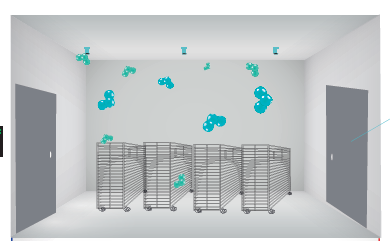

Ozone is formed when oxygen (O₂) molecules are split by electricity or UV light, and the freed oxygen atoms bond with other O₂ molecules to create ozone (O₃). This occurs naturally during lightning storms and can also be generated artificially for industrial use.

Yes—when properly controlled. Ozone is powerful but unstable, breaking down quickly into oxygen. At regulated levels, it is safe and leaves no chemical residues, making it ideal for food hygiene, air purification, and water treatment.

Ozone is highly effective at killing bacteria, viruses, and fungi. It can be used in gas form for whole-room disinfection or in water (ozonated water) for tasks like bottle rinsing, CIP, irrigation, and wastewater treatment.

At concentrations above 0.03 ppm, ozone has a distinctive smell often compared to bleach or chlorine. It’s most noticeable after thunderstorms or near ozone-generating equipment.

Ozone is used in a wide range of sectors, including food and beverage, healthcare, and agriculture. Applications include odour abatement, NOx pollution control, transfer tunnels, open plant cleaning, and disinfection of air, surfaces, and water.

Recent Articles & Insights

Go to Top