From Oxygen to Ozone on Demand
Ever wondered how a simple box can turn ordinary oxygen into a powerhouse disinfectant? Ozone generators are marvels of modern hygiene technology, creating O₃—a molecule made of three oxygen atoms—that instantly tackles bacteria, viruses, odors and more. In this post we’ll unpack the core principles, walk through the main generation methods, highlight key components, and show you exactly what’s happening inside every ozone unit.
Ozone can’t be bottled up and shipped around—it must be made on site, on demand. At its heart, an ozone generator takes a clean oxygen source (either ambient air or pure O₂) and exposes it to an energy field. That extra burst of energy splits the O₂ molecules into single oxygen atoms, which then recombine with intact O₂ to form O₃.
Corona Discharge: The Workhorse of Ozone Production
Corona discharge is by far the most common method for industrial and commercial systems. Inside a corona generator, you’ll find a series of ceramic or metal plates separated by tiny gaps. When high voltage (typically 5–20 kV) is applied, a “corona” or electrical field forms between the plates. Oxygen flowing through this field is cracked apart—the energy knocks O₂ molecules into single atoms, which instantly latch onto other O₂ molecules to become ozone. This process is extremely efficient and scalable. Corona systems can produce anywhere from a few grams per hour up to several kilograms per hour of ozone, depending on the number and size of the discharge cells, the voltage applied, and whether you feed in clean air or concentrated oxygen.

UV Irradiation: Small-Scale and Low-Maintenance
If you need a compact, low-maintenance solution—say for a laboratory or small treatment skid—UV ozone generation might fit the bill. These units use lamps that emit light at 185 nm, a wavelength that splits some oxygen molecules into single atoms, which then form ozone. While UV systems are simple and have no high-voltage parts, their output is modest (usually under 5 g/hour per lamp) and drops off in humid conditions.
Key Components You’ll Find Inside
-
Oxygen Source – either a built-in air dryer and filter for ambient air low level ozone unit, or a compressed air line combined with an oxygen concentrator (PSA technology) or a connection to a dedicated oxygen tank producing LOX for larger ozone output generation.
-
Discharge/UV Chamber – where the magic happens: corona cells or UV lamps
-
Control Panel & Sensors – pressure, temperature and ozone sensors monitor output and ensure safety limits aren’t exceeded
-
Ozone Destruct Unit – any unused ozone is safely broken back down to O₂ before venting to prevent excess exposure
Here’s an example of a modern corona-discharge generator cabinet:

From Generator to Application
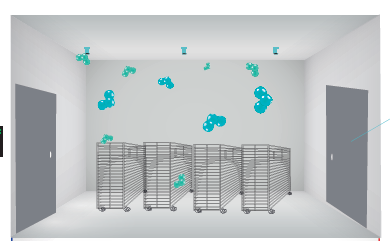
Once generated, ozone gas can be used in two ways. The ozone gas can be applied directly into the treatment room ceiling or ductwork for gaseous whole room disinfection or odour control. Secondly the ozone gas can be injected into a water stream via a venturi system or static mixer to create ozonated water. However, ozone is applied the results remain the same – rapid oxidative action—ozone attacks bacterial cell walls, breaks down pollutants, and then harmlessly reverts to oxygen, leaving no chemical residues behind.
Maintenance and Safety
Routine checks on seals, electrical connections and lamp integrity (for UV units) keep performance high and ensure safety. The oxygen feed air requires annual filter changes to ensure dry oil-free air is supplied to the ozone generator. Controls will automatically shut the generator down if temperatures or ozone levels exceed setpoints, and any off-gas is routed through a destructor bed, often filled with activated carbon or catalytic media.
Why On-Site Generation Matters
Because ozone decomposes quickly (half-lives of minutes in air, hours in water), storing it isn’t feasible. On-site generation guarantees fresh, potent ozone exactly when and where you need it, whether that’s a food-production cold store, a wastewater treatment plant or an odour-control system at a landfill. Ready to explore how an ozone generator could fit into your operations? Our team of ozone experts at Sozones is here to answer your questions—from sizing the right corona-discharge unit to integrating UV systems into your process. So, if you have a question, please do not hesitate to get in touch with our ozone specialists today.